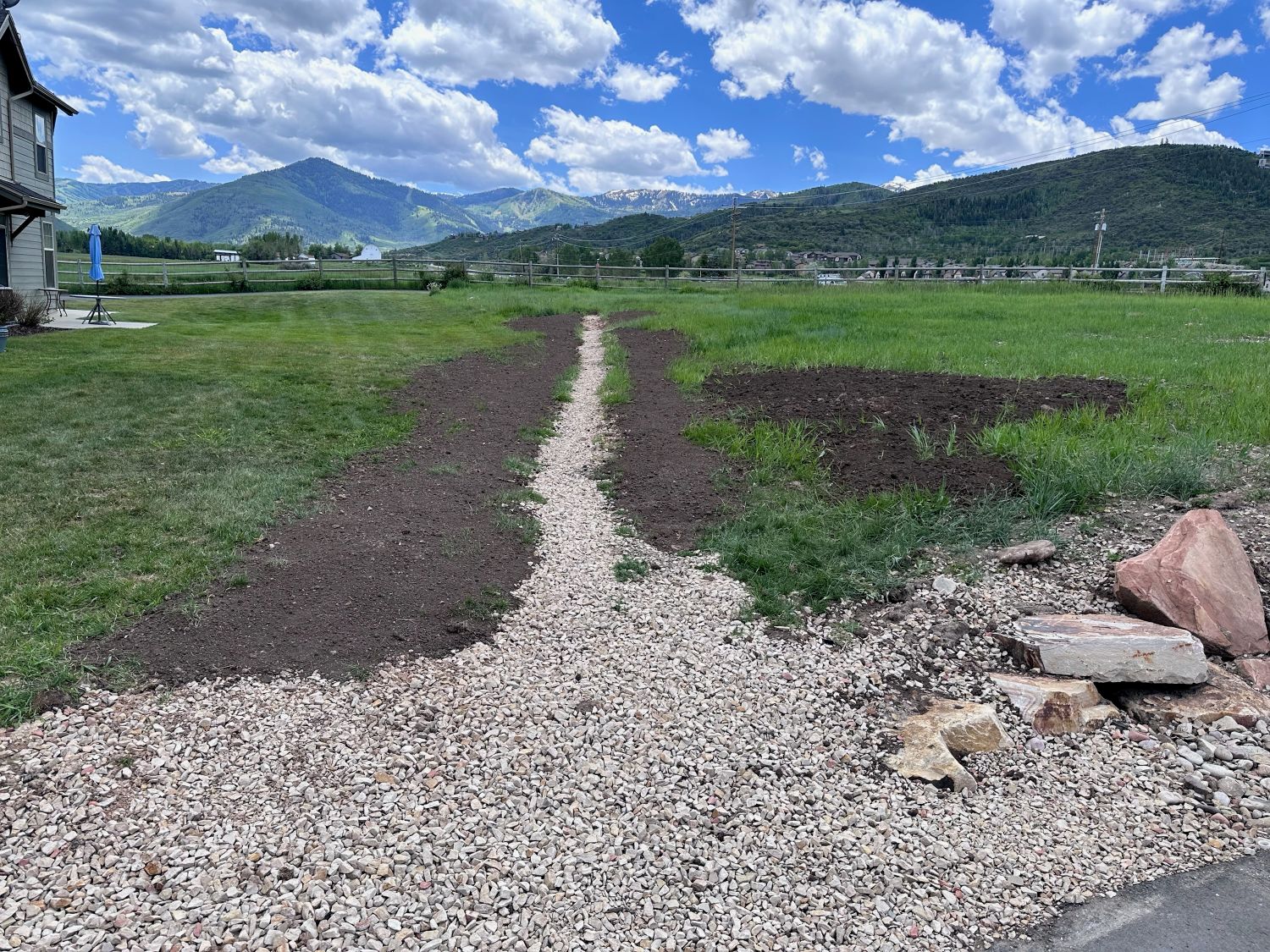
In the heart of the American West, Utah's diverse landscapes—from arid deserts to alpine forests—offer both beauty and challenges for landscaping. As environmental concerns grow and water resources become more precious, sustainable landscaping has emerged as a vital practice for homeowners and businesses alike. At Altitude Maintenance LLC, we are committed to implementing eco-friendly landscaping solutions that not only enhance the aesthetic appeal of properties but also promote environmental stewardship.
Sustainable landscaping involves designing, constructing, and maintaining outdoor spaces that are environmentally responsible and resource-efficient. This approach considers the local climate, soil conditions, and native plant species to create landscapes that require minimal water, fertilizers, and pesticides. By aligning landscaping practices with ecological principles, we can reduce environmental impact and create healthier outdoor environments.
Utah is one of the driest states in the U.S., making water conservation a top priority. Traditional lawns and non-native plants often demand significant irrigation, leading to excessive water use. Sustainable landscaping addresses this issue through several strategies:
Xeriscaping: This method involves selecting drought-tolerant plants and minimizing turf areas to reduce water consumption. By incorporating native species adapted to Utah's climate, landscapes can thrive with minimal irrigation.
Efficient Irrigation Systems: Implementing drip irrigation and smart controllers ensures that water is delivered directly to plant roots, reducing evaporation and runoff.
Soil Improvement: Enhancing soil with organic matter increases its water-holding capacity, allowing plants to access moisture more effectively.
Incorporating native and drought-resistant plants is central to sustainable landscaping. These plants are adapted to local conditions, requiring less water and maintenance. Examples include:
Utah Serviceberry (Amelanchier utahensis): A hardy shrub that produces white flowers in spring and edible berries in summer.
Big Sagebrush (Artemisia tridentata): Known for its aromatic foliage and resilience in arid environments.
Blue Grama Grass (Bouteloua gracilis): A warm-season grass that adds texture and requires minimal watering.
By choosing such plants, landscapes become more resilient to drought and support local biodiversity.
Healthy soil is the foundation of a sustainable landscape. Practices that promote soil health include:
Composting: Adding compost enriches the soil with nutrients and beneficial microorganisms.
Mulching: Applying mulch around plants conserves moisture, suppresses weeds, and regulates soil temperature.
These practices not only improve plant health but also reduce the need for chemical fertilizers and herbicides.
Sustainable landscaping emphasizes the use of Integrated Pest Management to control pests with minimal environmental impact. IPM strategies include:
Biological Controls: Introducing natural predators to manage pest populations.
Cultural Practices: Selecting disease-resistant plant varieties and maintaining proper plant spacing to reduce disease incidence.
Mechanical Controls: Removing pests by hand or using barriers to prevent infestations.
By focusing on prevention and using targeted treatments, IPM reduces reliance on chemical pesticides.
Thoughtful landscape design can contribute to energy efficiency in buildings. Strategic placement of trees and shrubs can:
Provide Shade: Deciduous trees planted on the south and west sides of a building offer shade in summer, reducing cooling costs.
Act as Windbreaks: Evergreen trees and shrubs can block cold winds in winter, lowering heating expenses.
These design elements not only enhance comfort but also contribute to energy savings.
Selecting environmentally friendly materials for hardscaping elements like patios, walkways, and retaining walls is essential. Options include:
Permeable Pavers: These allow water to infiltrate the ground, reducing runoff and recharging groundwater.
Recycled Materials: Using recycled concrete or reclaimed wood minimizes resource extraction and waste.
By choosing sustainable materials, landscapes can reduce their ecological footprint.
Sustainable landscaping offers broader benefits beyond individual properties:
Community Health: Green spaces improve air quality, reduce urban heat islands, and provide recreational areas.
Economic Value: Properties with sustainable landscapes often have higher market values and lower maintenance costs.
Educational Opportunities: Demonstration gardens and community projects can educate the public about sustainable practices.
These advantages underscore the importance of adopting eco-friendly landscaping approaches.
At Altitude Maintenance LLC, we are dedicated to creating landscapes that harmonize with Utah's natural environment. Our services include:
Consultation and Design: Collaborating with clients to develop customized, sustainable landscape plans.
Installation: Implementing eco-friendly practices and materials during construction.
Maintenance: Providing ongoing care that aligns with sustainable principles.
By integrating these services, we help clients achieve beautiful, functional, and environmentally responsible outdoor spaces.
Sustainable landscaping is more than a trend; it's a necessary evolution in how we interact with our environment. In Utah, where water conservation and ecological balance are critical, adopting sustainable practices ensures that our landscapes remain vibrant and resilient for generations to come. Altitude Maintenance LLC is proud to lead the way in promoting sustainable landscaping solutions that benefit both our clients and the planet.